Your Customers Don’t Need More Choices
For years, I believed growth meant adding more. More products. More scents. More gift boxes. More options. It seemed obvious that if customers had more to choose from, more people would find something they loved.
I could not have been more wrong.
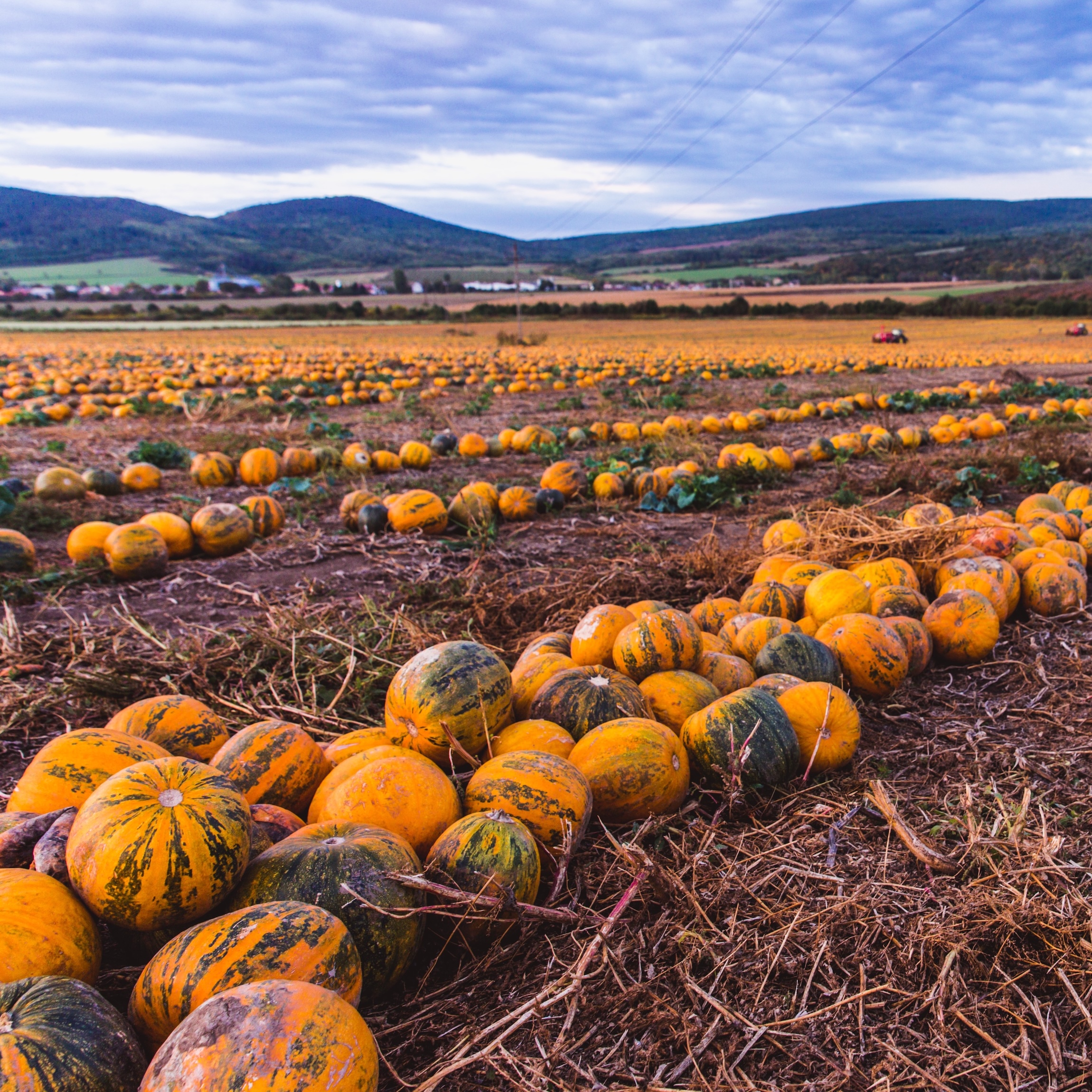
I remember reading The Pumpkin Plan by Mike Michalowicz. He tells the story of giant pumpkin growers. They don’t grow the biggest pumpkins by nurturing every vine equally. They remove the weaker pumpkins so the plant can pour all its energy into producing one or two exceptional ones.
What if businesses worked the same way?
Growing Nourish Over the Years
When I started Nourish Natural Soaps back in 2012, my only products were body soaps. Making them involved a simple, repeatable recipe, and they sold like hot cakes! I was selling from a market stall in those days, and customers would often ask, “Do you make shampoo bars?” or “Do you sell laundry soaps?”
As the years went on, I started adding those, along with many other products, to my range. At various points, I was making additional products like face wash, moisturiser, soy candles, lip balm, liquid shampoo and conditioner, laundry powder and dishwasher powder.
I loved researching, developing and making all of these products, and they really helped keep the business dynamic and alive for me.
However, as time went on, having so many different products also meant I needed to employ staff. I had to order an array of new ingredients, packaging and stickers. In order to keep on top of everything, I started tracking my inventory in an inventory system.
Although it felt like I was running a more “proper” business, it also took some of the magic out of creating it. Tracking stock and constantly keeping tabs on what was coming in and going out took some of the joy out of the business. The noise in my head got louder as I tried to remember and coordinate so many moving parts.
A few years in, I ended up feeling like I was drowning, and yet my income was decreasing even though I was selling more.
Then I Discovered The Pumpkin Plan
Somewhere in 2022, I read The Pumpkin Plan and was immediately taken with the philosophy behind it. Focusing on the best-selling products and the best customers made so much sense to me.
Focus isn’t deciding what to add. It’s deciding what deserves your energy.
I Went Back to Soap
By the end of that year, I decided to find out how I could apply this philosophy to my own soap-making business.
I started by stripping back the business and letting go of all my staff. I wanted to go back to doing things the way I always had: on my own.
Next, I did a full investigation into my product sales and discovered that the soaps FAR outsold any of the other products. Most of the shops I sold to already had candles and moisturisers, and they often didn’t order those products from me. The soaps were the original products that had stood the test of time. They were the essence of Nourish.
Doing that homework made it easy to decide what to let go of and what to keep.
I emailed all the shops to let them know about my decision, and in January 2023 I began a new chapter, feeling lighter and freer than I had in years.
What Happened When I Simplified
So, what was the outcome of my experiment?
Well, over time, a few things became clear.
Firstly, I loved being back in my comfort zone of making soap and being at the heart of the business. A certain connection that I had lost through having staff and too many moving parts had returned.
Secondly, manufacturing and production became hugely simpler. Production became much more predictable because I suddenly had a lot more focus on one type of product. There were fewer ingredients to order and less waste.
With a business called Nourish Natural SOAPS, it felt like the essence of what it stood for had returned. I was making soap. And only soap.
Thirdly, I actually managed fine without staff!
I implemented some simple systems to help me manage the finances and marketing, and I enjoyed being in my workshop and crafting every day.
I saved money by not having to constantly buy ingredients for a wide range of products or pay staff during quieter months. If sales were down, I could simply stay home and work on what needed doing. The business felt much less pressured.
So that was my story of how simplifying actually made sense for my business.
Focusing on a smaller range of products made the business more manageable, more enjoyable and, ultimately, more financially viable. And I only discovered that by trying it.
So let’s see how you can glean some wisdom from this…
The Pumpkin Patch Audit
Take a sheet of paper and write down everything you currently sell.
Now divide those things into three groups.
The Pumpkins
Your best sellers. The things customers come back for. The things you’re known for.
The Vines
Things that sell occasionally but require a disproportionate amount of your time, money or attention.
The Weeds
Things that don’t really sell, but you keep offering because you’ve invested time in them, someone once asked for them, or you simply can’t bear to let them go.
You don’t have to remove anything tomorrow.
But notice how different your business feels when you imagine building around your strongest pumpkin instead of trying to grow every vine.
The Takeaway
The goal isn’t to grow everything. It’s to discover what deserves to grow — and give it your best.
Leave a Reply
Meet the Author